
Our Location
fes, morocco
Sidi Harazem 30070
What is zellige? Learn how handmade Moroccan zellige tiles are made, why no two are alike, the main shapes and sizes, and where to use them in your home.
Zellige (also spelled zellij) is one of the most recognizable tiles in the world: small, glossy, slightly irregular squares and shapes that catch the light in a way no factory tile can. If you have seen a shimmering kitchen backsplash or a shower wall with soft color variation from tile to tile, chances are you were looking at zellige. In this guide, we explain what zellige is, how it is made, and how to choose the right zellige tiles for your project.
Zellige is a traditional Moroccan glazed terracotta tile, handmade from natural clay. The craft has been practiced in Morocco for centuries, and it is still closely associated with the city of Fez, where artisans pass the techniques down through generations.
Unlike mass-produced ceramic tiles, every zellige tile is shaped, glazed and fired by hand. The result is a surface with small pits, subtle edges and natural differences in color and thickness. These so-called imperfections are exactly what gives zellige its depth and character.
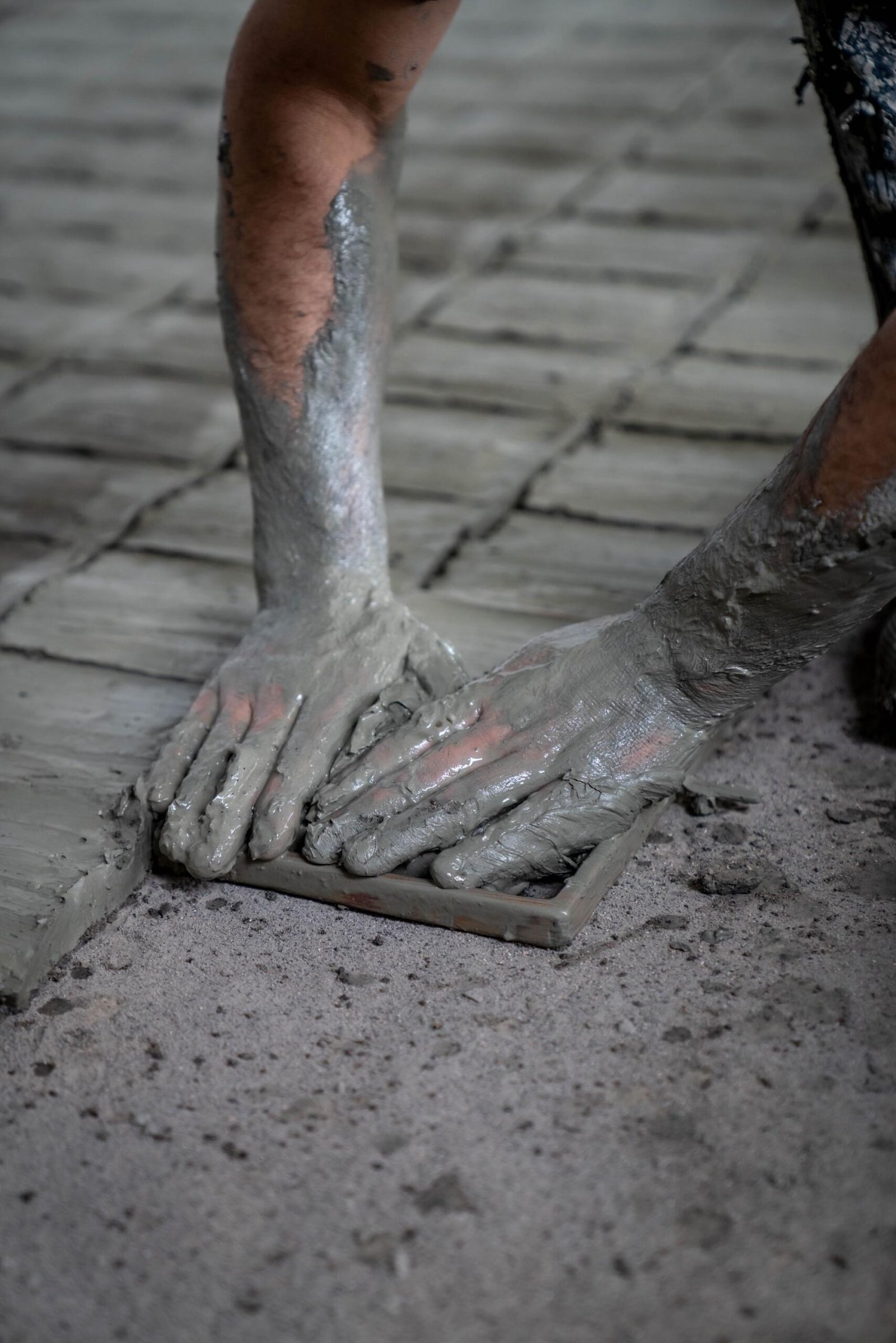
The process starts with local clay, which is soaked, kneaded and pressed by hand into molds. The tiles are left to dry in the sun before they are fired for the first time in a kiln.
After the first firing, artisans apply an enamel glaze by hand and fire the tiles again. Because the glaze pools differently on each tile and the kiln temperature varies slightly, every piece comes out unique. Finally, the edges are trimmed by hand to give each tile its final shape.
Handmade production means you will see natural variation in tone, shine and surface texture across a wall. Some tiles are slightly darker, some have tiny chips or pinholes in the glaze, and the thickness can vary a few millimeters.
Designers love zellige for this reason: once installed, the variation creates a living, light-reflecting surface. If you prefer a perfectly uniform look, a machine-made ceramic tile is a better fit. If you want warmth and character, zellige is hard to beat.
Zellige comes in several classic formats. Each one creates a different look on the wall or floor:
4×4 square – the most classic format, ideal for backsplashes and shower walls. Shop 4×4 square zellige tiles.
2×2 square – a smaller format with more grout lines, great for detailed walls and accent areas. Shop 2×2 square zellige tiles.
3.5 inch hexagon – a geometric shape that adds a modern touch to floors and feature walls. Shop hexagon zellige tiles.
2×6 bejmat – a rectangular tile that works beautifully in herringbone, chevron or stacked layouts. Shop bejmat zellige tiles.
Zellige is most often used on walls: kitchen backsplashes, bathroom and shower walls, fireplace surrounds and accent walls. It can also be used on floors in low-traffic areas, especially unglazed or hexagon formats.
Because the glaze is water-resistant once properly sealed and grouted, zellige performs well in wet areas such as showers. For outdoor use or high-traffic floors, ask us for advice on the best tile and finish.
With dozens of glazes available, choosing a color can be the hardest part. A good rule is to look at the tile in your own light: colors can shift a lot between morning and evening, and between north- and south-facing rooms.
That is why we recommend ordering a zellige sample box before placing a full order. Seeing and touching the real tiles is the best way to be sure.
Our tiles are handmade in Morocco by skilled artisans and shipped worldwide. Browse the full collection, or contact us if you need help choosing a shape, color or quantity for your project.

